Lawyers are among the most cautious users of generative AI. For good reason: neural networks are prone to "hallucinations." They can invent non-existent case law, cite repealed regulations, or misinterpret statutes. In a profession where the cost of error is a lost case or multimillion-dollar penalties, blindly trusting a "black box" is impossible.
Many expected that deploying LLMs would drastically cut document analysis and legal drafting time. But practice has shown otherwise — just like with programmers or marketers, lawyers now have a new routine: verifying and re-verifying AI outputs. This creates an "illusion of freedom": the AI seems to save hours, but part of that saved time goes into fighting its mistakes.
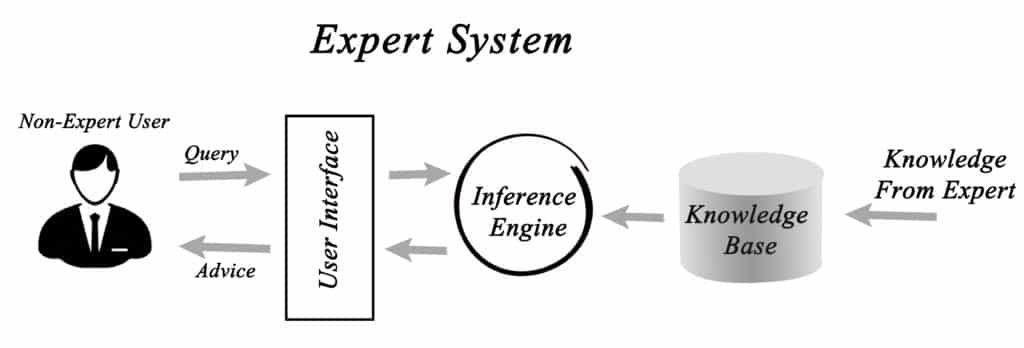
However, there is a solution. To stop hallucinations, you must provide a neural network with relevant context, not a vague query. And the best way to gather that context is not manual input but algorithmic expert systems integrated with prompt constructors.
Why Context Cures Hallucinations
Generative models are essentially linguistic extrapolators. They predict the most probable next token based on training data. Ask "What is the VAT rate in Russia?" — the model answers "20%" because that's a frequent pattern. But if the question concerns a rare tax regime or a regional exemption, the error rate spikes.
The narrower and more specific the task, the more information you need to load into the prompt. This is where algorithmic expert systems come in — tools that replace "free-form AI creativity" with rigid data collection logic.
Method 1: Interactive Questionnaires on the Client's Legal Situation
Instead of an empty "Describe your problem" field — a dynamic checklist. The algorithm asks leading questions like an experienced lawyer:
-
What is the subject of the dispute?
-
Is there any pre-trial correspondence?
-
What tax regime does the client use?
-
What statutes of limitation apply?
The answers are structured into a machine-readable format (JSON or XML). This structured context is fed into the prompt. The result: the neural network receives not a vague "help with a contract" but precise input: "Supply contract between LLC A (supplier, simplified tax system) and LLC B (buyer, general system), amount 5 million rubles, 50% prepayment, delivery delayed by 10 days."
Outcome: The model no longer guesses which rules to apply. It works with clear facts, drastically reducing the risk of hallucinations.
Method 2: Loading Current Legal Norms via a Prompt Constructor
The most dangerous type of hallucination for a lawyer is citing invalid articles. A neural network can brilliantly analyze a law that was repealed a year ago.
The solution is a prompt constructor integrated with legal databases. The algorithm:
-
Recognizes the legal essence of the query (e.g., "consumer protection in distance selling").
-
Queries an up-to-date API of a legal reference system (ConsultantPlus, Garant, or open sources like publication.pravo.gov.ru).
-
Loads into the prompt only active norms — relevant articles of the Civil Code, Consumer Protection Law, Plenum Rulings.
-
Adds an instruction: "Strictly base your response on the legal provisions provided below. If the answer is not found in them, state that — do not invent."
This approach turns the LLM from a "fantasizer" into a disciplined analyst working on RAG principles but with guaranteed source recency.
Good Results Come from Controlled AI
Experience in the Russian IT market (and legal departments that have adopted these practices) shows: AI doesn't magically reduce workload. It changes its structure.
Without context: A lawyer spends 1 hour generating a document with AI + 2 hours checking and fixing hallucinations.
With context (questionnaire + prompt constructor): The lawyer spends 20 minutes completing a questionnaire (which already documents the case) + 30 minutes editing a high-quality draft.
The savings are real, but they require discipline. The most mature law firms are already implementing internal rules: "A generated response without attached hyperlinks to the regulatory framework is considered defective."
For the Botman.one platform, this defines a clear development path. Embedding algorithmic expert systems (visual legal questionnaire builders) into the LLM pipeline is not a luxury but a necessity. Only then can neural networks become reliable assistants rather than fancy toys.
Conclusion: The illusion that AI will do everything by itself is dangerous. Reality: the higher the quality of incoming context (collected by an expert system), the lower the hallucination rate. The winner is not the one who mindlessly generates text, but the one who knows how to set the right boundaries for AI.